What is a Third Place & Why Does Your Business Need One?
Author
August 08, 2025
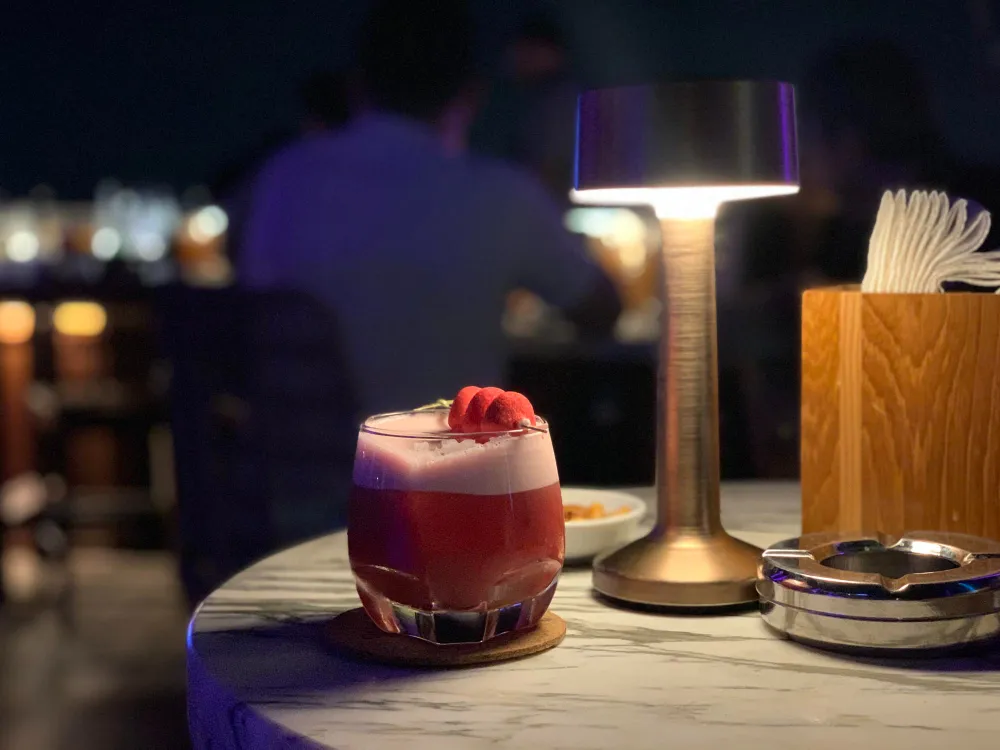
Is your business a revolving door or a living room? Many owners focus on getting people in the door, but the real path to long-term business sustainability is getting them to stay. If your patrons treat your venue as purely transactional, a quick stop for a drink or a snack before moving on, you’re leaving incredible opportunities on the table. The solution lies in a powerful business strategy known as the third place concept.
So, what is a third place? Coined by sociologist Ray Oldenburg, the term describes the crucial social environments people need outside of their two primary places: home (the first place) and work (the second place). These are the neighborhood anchors like cafes, pubs, and community gathering spots where conversation is the main event. For a Texas bar, truck stop, or convenience store owner, understanding and building your own third place is the single most effective way to foster genuine community, create unshakable brand loyalty, and future-proof your business. This is the operator's guide to making that transformation happen.
The Problem: When Your Venue Lacks Connection
In the competitive market, being just another option on the map isn't enough. Many hospitality businesses operate on a purely transactional model. A customer comes in, purchases a product, and leaves. There is no social fabric, no shared experience, and no compelling reason for them to choose you over the competitor down the street. This creates a business atmosphere that feels sterile and impersonal.
This model directly leads to common, persistent business challenges. You likely see high customer churn, as there is nothing to build loyalty beyond a convenient location or a temporary price advantage. You also experience low dwell time; patrons have no incentive to linger, turning what could be a long, profitable visit into a brief, low-value stop. This is a missed opportunity for building customer relationships and a more resilient business.
The Hidden Costs of a Transactional Model
A revolving-door business model does more than just limit your potential; it actively creates operational pain points. The most obvious is unpredictable revenue. When your business relies on a constant stream of new, unattached customers, you become vulnerable to lulls, slow nights, and economic downturns. You lack a core group of regulars to provide a stable foundation.
This makes your business fragile. A new competitor with shinier decor or an introductory discount can easily siphon away your transient customer base. Furthermore, this transactional approach makes it nearly impossible to transform quiet hours into profitable periods. You are stuck in a reactive cycle, constantly trying to attract new people instead of cultivating the patrons you already have. This constant pressure to find new customers is exhausting and far less effective than building a community that sustains itself.
The Solution: Build Your ‘Third Place’ Community Anchor
The answer is to shift your entire business strategy from transactional to relational. You need to stop being just a stop along the way and become the destination. By applying the third place concept, you intentionally create a welcoming environment that serves as a vital social hub for your patrons. This is how you solve the core problems of low retention and short visits.
A third place is characterized by its comfortable, welcoming atmosphere where people feel a sense of belonging. It’s a space that encourages social interaction and allows for the formation of genuine connections. When you successfully build one, your business transforms. Customer visits become longer and more frequent. Word-of-mouth marketing drives organic growth as your regulars become your most passionate brand advocates. You create a business with a soul, a local favorite that people feel an emotional connection to. It’s a powerful competitive advantage that can’t be easily replicated.
Foster a People-First Culture
The foundation of any third place is its people. This starts with empowering your staff to be more than just employees; they are the hosts and community builders. Excellent customer service is key, but it goes beyond simple pleasantries. It’s about creating a personalized customer experience, remembering a regular’s name, asking about their day, and facilitating connections between patrons.
This people-first approach extends to your physical space. Think about how your layout encourages social interaction. A long, shared community table can do more to build social capital than dozens of small, isolated tables. Creating flexible seating arrangements with zones for both quiet conversation and more lively group activities allows you to cater to different needs. The goal is to design a space where human-to-human interaction feels natural and easy.
Introduce Compelling Social Anchors
A third place gives people a reason to gather and interact. While great service and a welcoming environment are crucial, introducing compelling social anchors can accelerate community building. These are focal points that spark conversation and shared experiences. Compliant, in-person entertainment is one of the most effective social anchors available to Texas operators.
Modern, machine-based skill games provide an interactive entertainment experience designed for adults. These are not chance-based; they are pure skill challenges that foster friendly social competition and give patrons a reason to engage with each other. By strategically placing these machine cabinets, you provide a dynamic activity that enhances the customer experience. This is a key strategy for transforming your business, as interactive entertainment is a proven method for boosting guest retention. The right entertainment options give patrons a compelling reason to stay longer, visit more often, and view your establishment as more than just a place to eat or drink. This is how gamification transforms hospitality for small businesses, turning passive visitors into active, engaged community members.
From a Bar Stool to a Cornerstone
Shifting your focus from transactions to community is the most important long-term business strategy a Texas operator can adopt. It’s about playing the long game. By understanding the third place concept and taking intentional steps to build your own social hub, you do more than just increase foot traffic or sales. You build a resilient business, a local institution, and a genuine community anchor that people feel connected to. You create a place that truly belongs to your patrons, and in return, their loyalty will belong to you.
Frequently Asked Questions
-
What is a third place and why does it matter for my business?
A third place is a social environment outside of home and work where people gather and build community. For a business like a bar, truck stop, or c-store, creating one matters because it solves core problems like low customer loyalty and short visits by fostering a sense of belonging that turns transient customers into regulars.
-
How can I turn my Texas bar or truck stop into a third place?
Start by creating a welcoming, people-first culture with excellent customer service. Then, optimize your physical space to encourage social interaction with things like flexible seating. Finally, introduce social anchors like community events or compliant, skill-based entertainment to give patrons a reason to connect.
-
What are the main business benefits of creating a community hub?
The primary benefits are increased customer loyalty and longer dwell times. This leads to more predictable revenue, a strong competitive advantage, and powerful word-of-mouth marketing from your regulars. It builds a more resilient and profitable business.
-
Do I need a large budget to apply the third place concept?
No. While some improvements can involve investment, the core of the third place concept is about culture and connection. High-impact changes like staff training, rearranging your layout for better social flow, and fostering a welcoming atmosphere cost very little but deliver significant results.
-
What role does compliant entertainment, like skill games, play in a third place?
Compliant skill games act as a powerful "social anchor." They provide a fun, interactive reason for patrons to linger, engage in friendly competition, and interact with one another. This enhances the overall social atmosphere and is a key tool for increasing dwell time and patron engagement.
-
How can I measure the success of becoming a third place?
You can measure success through tangible business results. Track metrics like customer retention rates, average visit duration (dwell time), and the frequency of visits from regular patrons. An increase in these areas is a clear indicator of a successful third place strategy
More Into
AnnouncementsThe First 30 Days with Skill Gaming Machines: What Really Happens
Are you wondering what actually changes in your business once you decide to add skill gaming machine
What Makes One Skill Game Location Outperform Another in Texas
Outperformance is the result of a deliberate strategy rooted in floor-plan psychology.
Upgrade Your Bar: The Power of the 43” LED Touch Monitor
The visual centerpiece of any modern skill gaming machine is the display.
Improving Workplace Culture: Managing Burnout in Texas Bars
Running a single-location bar or retail spot in Texas is a high-stakes balancing act.
Stop Micromanaging: Guide to Bar Manager Duties and Responsibilities
Move from constant supervision to strategic oversight in three distinct phases.
The Revenue Sharing Model: How We Grow Only When You Grow
Our revenue-sharing agreement is designed to eliminate the financial barriers
Adult Easter Strategy: How Texas Bars Can Own Saturday Night
The biggest threat to =Saturday night isn't the holiday itself, it's the "business as usual" mindset
Seating for Success: How Bar Stool Comfort Drives Sales
Bar stool is a piece of equipment that can simultaneously speed up a tab or kill a customer’s night.
Skill Games Texas: Why Hardware Engineering Matters for ROI
In the world of Texas hospitality, your floor plan is a silent salesman, but is it whispering or sho
The Independent Owner’s Playbook for St. Patrick’s Day
To get noticed among the sea of Saint Patrick's Day themed bars, your aesthetic needs to transcend.
Is Your Bar’s Happy Hour Killing Your Profits?
It is 6:00 PM on a Tuesday in Austin or Houston, and your floor is packed.
The 11 PM Crisis: How 24/7 Support Saves Your Saturday
Difference between record-breaking weekend and a missed chance comes down to operational continuity.
Texas Independence Day: Drive Revenue with a Republic Menu
For an independent owner, Texas Independence Day is more than a celebration of history.
How to Host the Ultimate Anti-Valentine Party at Your Texas Bar
While corporate chains are busy catering the couples, a segment is looking for an escape: singles.
The Acid & The Bite: Engineering Texas-Style Complexity
In a Texas tavern, a true 'grown-up' drink needs more than sugar; it needs the bite, the burn, and
How to Price Zero-Proof Drinks to Match Your Top-Shelf Cocktails
Dry January in Texas used to mean a ghost town of water-drinkers and "one-and-done" regulars.
Reclaiming Your Sanity: The Texas Owner’s Anti-To-Do List
True leadership is not about doing every job. It is about building a machine that runs without you.
Free Quiz: Find Your Bar’s Winter Signature Drink Menu
Is your bar’s winter vibe a Texas-sized welcome or just another Tuesday?
Boozy Brunches & Micro Pop-Ups: High-Profit Bar Promotion Ideas
Most bar owners treat December like a sprint.
How to Schedule Staff Effectively During a Holiday Meltdown
It starts with a vibration in your pocket at 3:00 PM on a Friday in December.
New Year’s Eve Bar Party Ideas: A Timeline for Retention
Retention is the only metric that matters on December 31st.
Warm & Profitable: Mastering Christmas Bar Decor in Texas
By mastering Christmas bar decor, you can engineer an environment that lowers cortisol.
Is it Time to Expand? 5 Signs You're Ready to Grow Your Business
Thinking about opening a second location?
Staff Recognition Ideas: Party, Bonus, or Perks That Work?
Do you give your team a check they'll forget by Jan, or throw a party they not even want to attend?
Beyond Survival: 4 Bar Staff Retention Strategies for Holidays
What's the real cost of the holiday rush? It’s not the extra inventory or the utility bills.
Build a Championship Bar Staff: A Fantasy Football Guide
What if fantasy football draft strategy held the secret to solving your biggest staffing headache?
5 Smart Bar Black Friday Strategies for Texas Owners
For independent Texas bar owners, the pressure to jump on the discount bandwagon is immense.
Boost Slow Nights With These Profitable Winter Bar Ideas
When the first real Texas cold front rolls in, your biggest competitor isn't the bar down the street
How to Make Your Business Stand Out in a Crowded Texas Market
This guide will show how to make your business stand out by uncovering the unique advantage you have
Service vs. Hospitality: The Secret to Customer Loyalty
Is your business a vending machine or a living room?
Top 10 Unique Bar Decor Ideas for a Photo-Worthy Venue
Is every square foot of your establishment actively earning its keep?
Creating a 5-Star Bar Customer Experience in Texas
Is your bar a comfortable old armchair, or is it the place everyone is talking about?
Your Guide to Creating a Cozy Bar Atmosphere That Last
When the first cool front rolls through Texas, customer behavior shifts.
Friendsgiving Party Ideas for Adults: A Texas Bar's Playbook
The cultural trend of "Friendsgiving" is more than just a pre-holiday dinner;
Thanksgiving Eve: Your Bar's Most Profitable Night
The bar night before Thanksgiving often feels like a force of nature.
The Texas Bar Personality Quiz: Find Your Vibe & Strategy
If your bar were a person at a party, who would it be?
5 Bar Customer Retention Tactics for Your Largest Groups
Is your bar a revolving door for large parties? They come in, spend little, and spin right back out
How to Create Unique Bar Experiences on a Budget This Halloween
In October, your Texas bar isn't just a place that serves drinks; it's a stage.
Our Story: Why We Are the #1 Skill Game Vendor in Texas
Success stories often begin with a simple vision, but they're built through unwavering commitment.
Gaming Equipment Basics: Essential Terms for Texas Owners
This focused glossary covers the 15 most essential gaming terms you'll encounter as a Texas business
Beyond Dining: 11 Restaurant Entertainment Ideas for Venues
Look around, are your guests connecting with each other, or with their phones?
Who Plays Skill Games? A Texas Skill Game Player Profile
The question is, do you know who your members are? These aren't one-dimensional players.
5 Questions to Ask Skill Game Vendors in Texas Before You Choose
Choosing a partner for your skill games is one of the most critical business decisions you'll make.
The Business Owner’s Field Manual to Texas Skill Games
You have the foot traffic, but how do you encourage customers to stay longer and spend more?
How to Increase Convenience Store Sales: A Texas Owner's Guide
If you want to understand how to increase convenience store sales, you must plug that leak.
The "Flow State" Secret to Keeping Customers Longer
That blue light is the single biggest drain on your per-patron revenue, and it’s time to fight back.
Beat the TX Small Business Squeeze with High-Margin Skill Games
What if the most profitable 15 square feet in your business wasn't your bar top or main cooler?
A Texas Bar Owner's Guide to Conquering Business Owner Burnout
That feeling of constant exhaustion, cynicism, and the nagging sense that you have to do everything.
How a Skill Game Machine Brings in New Faces (Not Just Regulars)
If you run a bar or restaurant in Texas, you know the comfort of familiar faces.
What the Fannin Ruling Means for Texas Skill Gaming
In April 2025, the Sixth Court of Appeals in Texarkana delivered a powerful message
What Texas Regulars Crave: A Guide to Customer Retention
Most content on customer retention strategies centers on loyalty programs or demographic guesses.
How Micro-Entertainment is Winning in a Post-COVID Economy
If the post-COVID era has changed anything, it's this: guests now favor places that feel thoughtful
How to Create a Bar Layout That Keeps Guests Coming Back
Your lighting and layout could be quietly costing you loyal customers and missed revenue.
How to Choose the Right Skill Game Vendor in Texas
Selecting the Right vendor can define whether your setup thrives or falters before it starts.
Is Skill-Based Gaming Right for Your Business? Get the Answer Now.
It’s easy to think skill-based gaming machines are a slam-dunk for every Texas business.
How Skill-Based Gaming Fits Naturally Into Bar Culture
Skill machines are popping up in local venues, and they’re not just earning attention.
Why Texans Play Skill Games and What It Means for You
For businesses, understanding why people play is essential to creating an environment
Skill-Based Gaming in the Inflation Era: Earn Passive Revenue
Inflation continues to hit small and mid-sized businesses hard.
Why Skill Based Gaming Machines Are Boosting Guest Retention
Businesses across Texas, especially in Dallas, are turning to a modern solution: skill-based gaming
Why Skill Based Gaming in Texas Is Changing Hospitality
Guests are looking for more than background noise or a TV on the wall. They want something to do.
Owner’s Guide to Buying Skill-Based Gaming Machines in Texas
Think buying more machines equals more profits? Not quite.
Truck Stops Are the New Hotspot for Texas Skill Games
Across Texas, truck stops are evolving into prime destinations for skill-based gaming
How Age Impacts Player Behavior in Skill-Based Games
The landscape of skill games in Texas has undergone a dramatic transformation. Read to know more.
How Gaming Machines Can Turn Waiting Customers into Buyers
The concept: often called "dwell time", play a major role in sales psychology.
Skill-Based Gaming in Texas: A Rising Opportunity for Businesses
Gaming landscape is evolving, and skill-based gaming is leading, especially in states like Texas.
Inside Slot Machines: Mechanics & Winning Potential
Did you know that modern slot machines process over 1000 mathematical calculations per second?
How Gamification Transforms Hospitality for Small Businesses
Gamification has emerged as a game-changer in the hospitality industry.
Princess of the Nile: Unlocking Gaming Center Profit Potential
Princess of the Nile has achieved a 68% higher player retention rate compared to standard games.
Skill Games vs. Slot Machines: A Comprehensive Comparison
Among the most popular are skill games & slot machines. But how do these two types of games differ?
Role of Video Gaming Terminal Operators and Why They Matter
This lucrative industry is driven by machines and often-overlooked work of VGT operators.
Skill-Based Gaming: Growing Trend in Gaming
Skill-based gaming is creating a new wave of interactive entertainment.
Ready to partner with us?

Contact
(+1) 855-484-1400
contact@peakentertainment.com
sales@peakentertainment.com
Follow us


Peak Entertainment © All Rights Reserved • Terms of Use • Privacy Policy